DAIM Philosophy
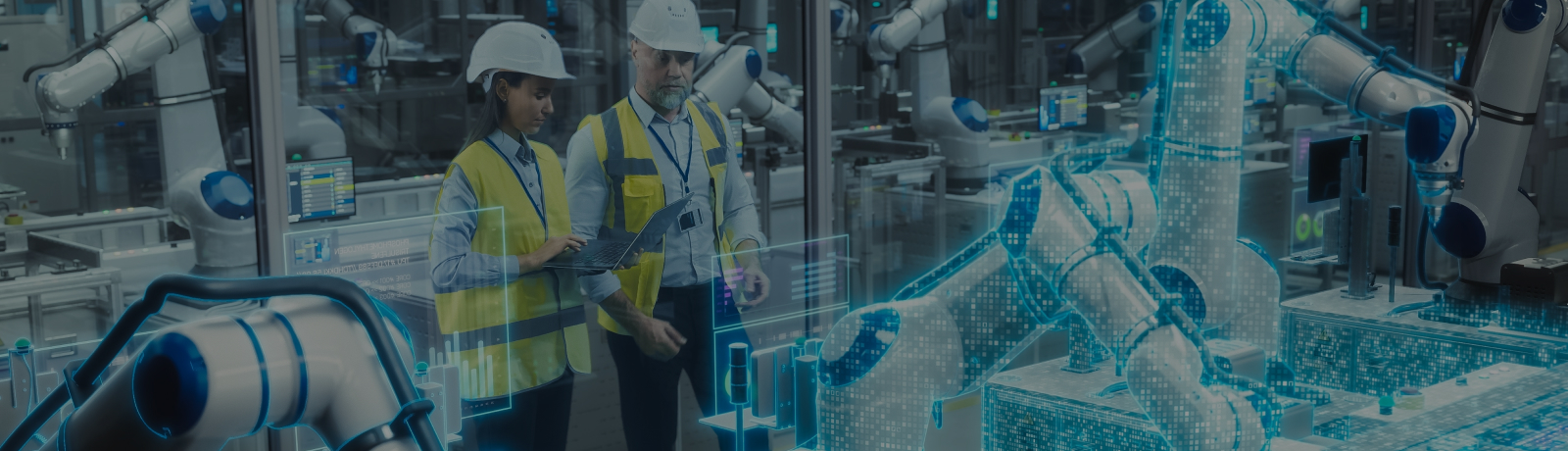
Realizing Autonomous Manufacturing with Physical AI
Physical AI unifies and orchestrates multi-vendor logistics robots across industrial operations,
enabling autonomous manufacturing.
Why DAIM’s Physical AI?
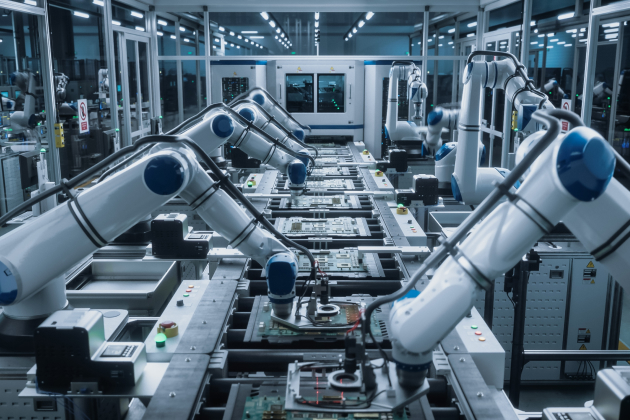
Until now, enabling robots from different vendors to operate as a single, unified system across industrial environments has been nearly impossible.
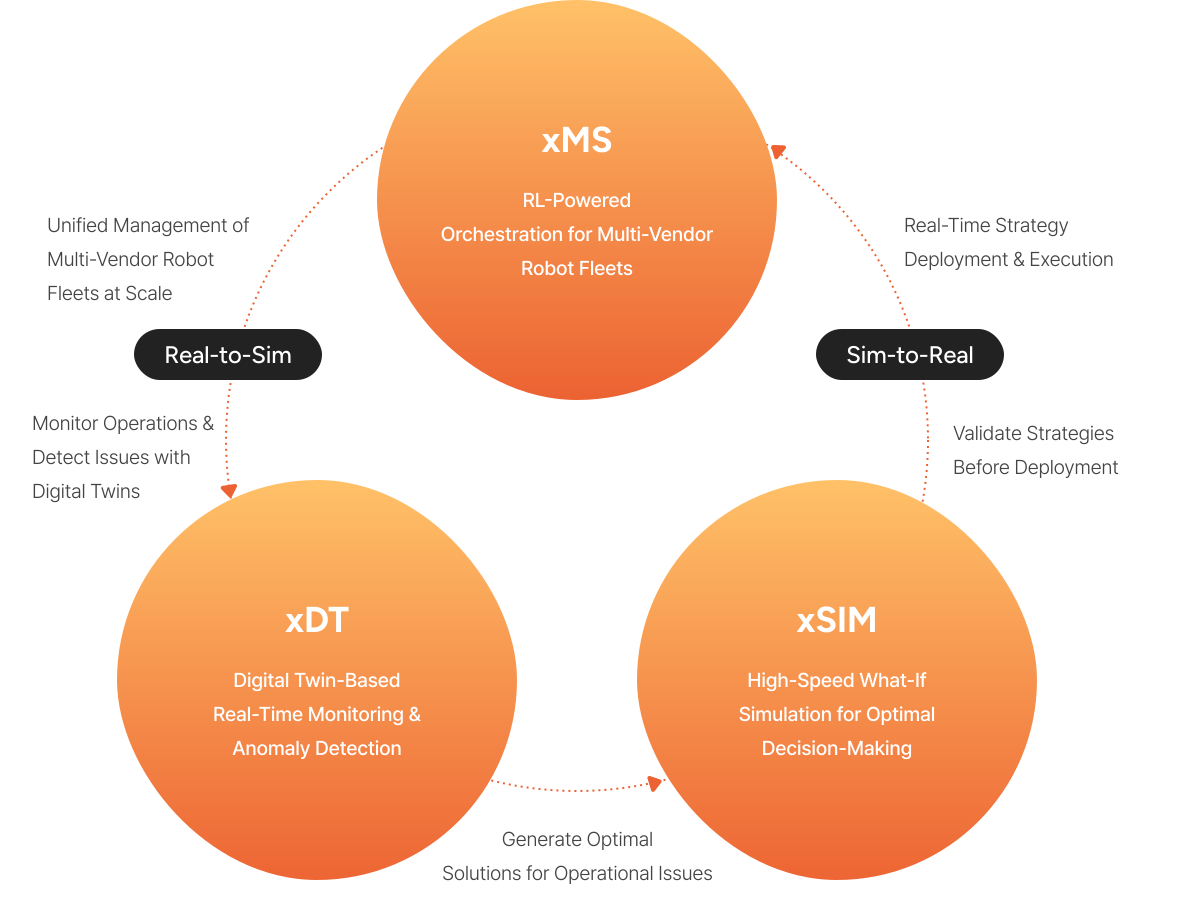
DAIM Technology's Physical AI combines real-world data, domain expertise, AI, and digital twin technologies to deliver optimized operational solutions. By intelligently orchestrating facility-wide material flows, DAIM Technology's Physical AI enables autonomous manufacturing, paving the way for lights-out factories.
PainPoints
Skepticism Around AI, Robotics, and Industrial Automation
There has long been doubt about whether AI can truly transform real-world industrial operations.
-
PainPoint 01
 PainPoint 01
The Pitfall of Fragmented Automation
Many facilities pursue automation by deploying collaborative robots or logistics robots within individual processes. However, this often results in isolated automation that overlooks end-to-end process and material flows, limiting the return on investment.
-
PainPoint 02
PainPoint 02
The Challenge of Multi-Vendor Integration
As logistics robots and equipment are deployed incrementally rather than optimized as a whole, the number and variety of systems in operation continue to grow. While unified orchestration remains an ideal, most facilities still rely on manual, fragmented operations across vendor-specific protocols and orchestration systems.
-
PainPoint 03
PainPoint 03
The Challenge of Operational Complexity and Real-Time Variability
Differences between simulation environments and real-world operations make real-time optimization virtually impossible. As a result, many facilities remain dependent on manual intervention, preventing fully autonomous operations.
-
PainPoint 04
PainPoint 04
The Challenge of
Real-Time Decision-MakingAs operating conditions continuously change, process and material flows must adapt in real time. Yet many facilities remain constrained by rigid systems that require material flow layouts to be redesigned without first validating the optimal end-to-end flow, creating a major barrier to autonomous manufacturing.
-
PainPoint 05
PainPoint 05
The Risk of Single-Vendor Dependence
Single-vendor equipment and software solutions chosen for short-term operational convenience can lead to vendor lock-in, limiting flexibility for facility expansion and system changes over the next two decades.
Value
Beyond Fragmented Automation,
Physical AI Enables Autonomous Manufacturing.
DAIM's Physical AI overcomes operational constraints to enable autonomous manufacturing and lights-out factories in real-world industrial environments.
-
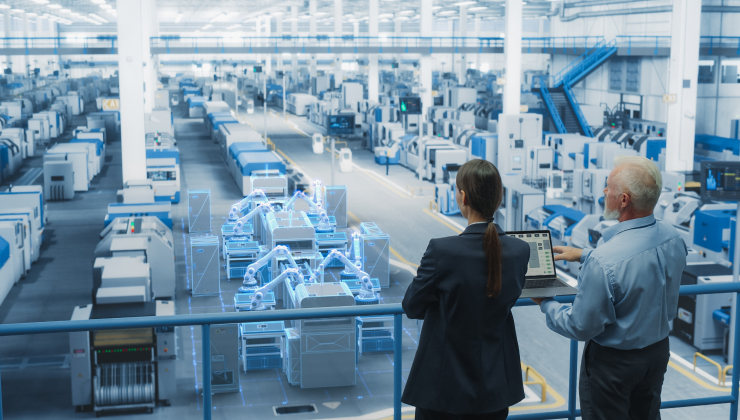
[Connecting: From Points to Flows] From Isolated Automation to Unified Optimization
Move beyond point-based automation focused on individual processes and optimize the flow of the entire operation.
Rather than optimizing the movement of individual robots, Physical AI intelligently orchestrates material flows across the entire facility, maximizing return on investment (ROI).
-

[Intelligence: Real-Time] Real-Time AI Decision-Making for Changing Operational Conditions
RL-powered decision intelligence enables facilities to move beyond semi-automated operations by overcoming operational complexity and variability.
By closing the gap between simulation and reality, AI identifies optimal routes and operational strategies in real time—even under constantly changing conditions—without human intervention.
-
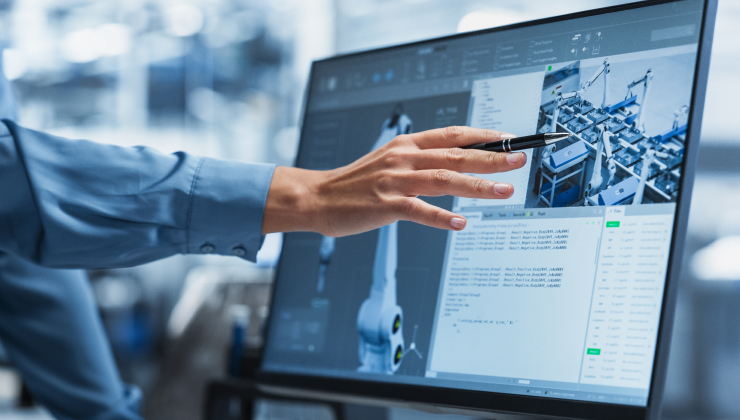
[Validation: Digital Twin] Simulate the Future, Invest with Confidence
High-speed simulation identifies design issues early and removes structural constraints before implementation.
From pre-deployment validation to real-time operational monitoring, digital twin technology supports faster, more informed operational decisions.
-
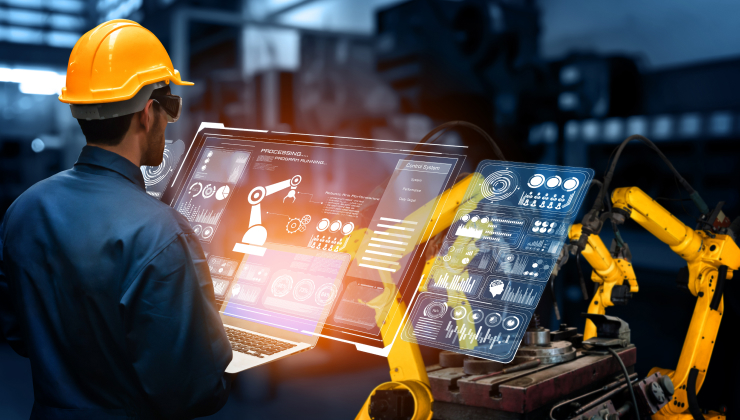
[Freedom: Breaking Vendor Lock-In] Independent AI Software Beyond Vendor Boundaries
Break free from vendor lock-in that limits long-term growth and operational flexibility.
With vendor-independent AI software, manufacturers can freely choose the robots that best fit their operations and unify them through DAIM Technology's orchestration platform.
-
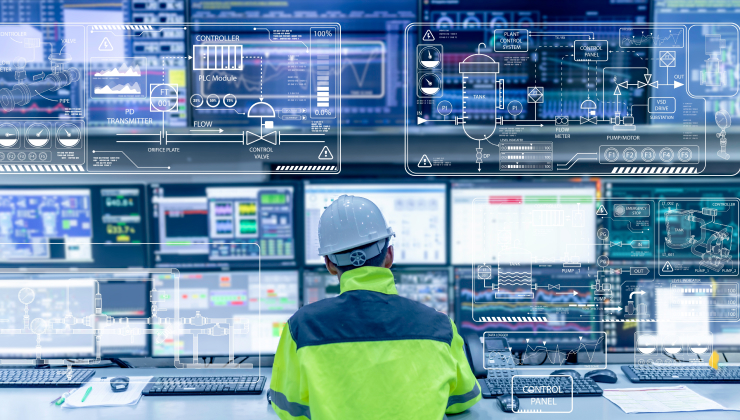
[Scalability: Flexible Architecture] Scalable and Flexible Architecture for Business Growth
A unified orchestration platform keeps multi-vendor robots and equipment operating as one, even as operations scale.
Powered by advanced fleet orchestration technology, the platform delivers economies of scale as robot fleets grow in size and diversity while enabling rapid adaptation to future equipment expansion and changes.
Proven Impact
Innovation Proven by Results
Real-world operational data proves DAIM Technology's performance.
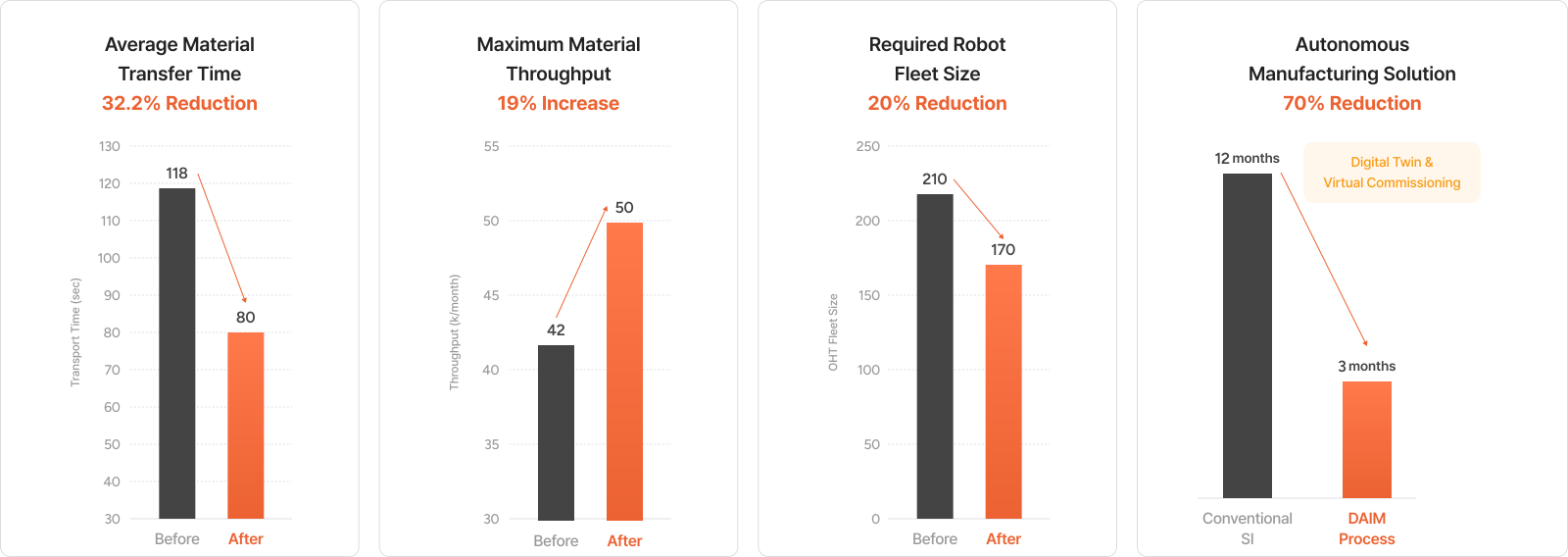
*Based on a 2023 PoC conducted with a domestic semiconductor manufacturer using DAIM's OHT system
(Virtual fab configuration: 160m × 80m facility, 3.5km rail network, 500+ tools, 10 stockers, and 2,304 bay locations)
Full-loop
DAIM Technology's Full-Loop SDF (Software Defined Factory)
Connects Every Stage of Autonomous Manufacturing.